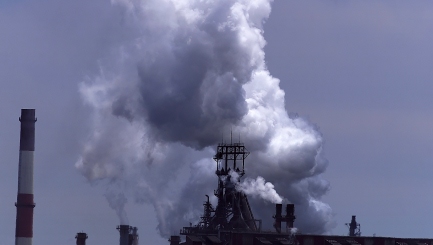
As well as causing damage to the ozone-layer, nitrogen-oxide can also lead to acid-rain, toxic-chemical spillage into the atmosphere and the restricted growth of plants. It is created by the emissions produced in many industrial processes, and from engine combustion within motor vehicles.
It can also affect the health of humans by creating nausea and shortness of breath, eventually leading to an accumulation of toxic-materials and fluid build ups in the lungs if it is inhaled over a long period of time. As well as causing respiratory problems, nitrogen-oxide can also lead to visual impairment and should therefore be avoided by people whenever possible.
In response to the damage it can inflict, environmental-experts have devised a range of strategies that can help to minimise its adverse effects on the eco-system. These include: limiting the amount of time you use your car, the avoidance of power-sources that result in emissions and even quitting smoking will stop the conditions in which nitrogen-oxide is created. In recent years, many technologies have been developed that can achieve this, and much money and research has been invested in refining the combustion process in order to make it more environmentally-friendly. Today, these technologies are widely used in chemical-plants, oil-refineries, factories, power-plants and paper-mills around the world.
In the future, the rules and regulations regarding the production of nitrogen-oxide and how to safely expel it – are likely to become much stricter. However, at the moment it remains a significant problem and if we want to see our cities free from the harmful-pollutants and smog, it’s important to reduce its production.