

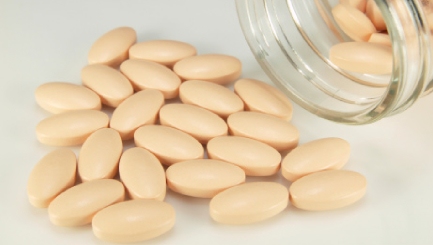

 A common painkiller we use in the UK has been linked to increased risk of asthma in children, so should we cut back on giving it to our kids? The research was carried out by the Robert T Stone Respiratory Center and examined the use of paracetamol and development of the breathing condition.
Why asthma?
Lead researcher on the study doctor John McBride, explained that he was keen to look at the connection between the painkiller and asthma, because he felt paediatricians did not have enough information about this possible link. As it’s a fairly common condition in the UK, with one in 11 children and one in 12 adults suffering from it, studies like this could prove useful to our health. The condition causes narrowing of our airways via triggers that could come from the environment or food we eat. If our airways become too constricted then we can suffer from wheezing and chest tightness, with severe cases proving fatal. The team of researchers from the clinic looked at the medical records of 520,000 children in 54 countries and found links between paracetamol and the risk of developing asthma.
Asthma risk
The study showed that children who were given paracetamol on a monthly basis were three times more likely to develop the condition. Those who had it less than once a month, but at least once a year had a 60 per cent chance of getting asthma. Similar results in a separate study show that 13 to 14-year olds who were given the painkiller at least once a month doubled their risk of getting the breathing condition.
Should we take paracetamol?
Experts believe we should act cautiously when we take over-the-counter medicines. They explain that just because we can buy them without a prescription doesn’t mean they are free from side effects. But researchers are still trying to establish why there is a link between the pain-killer and asthma. They’re unsure whether the drug could cause asthma, or simply makes the condition worse. The painkiller is trusted and used extensively to control temperatures and pain relief in UK home and medical centres. Talking to our GPs about any concerns we have about medicines can help us decide whether we want to keep using them.
Comments are closed.